Building a Business in Your Boxers
Everything I learned about making money on the internet without a commute, a boss, or real pants. From first client to consistent revenue in Mexico.
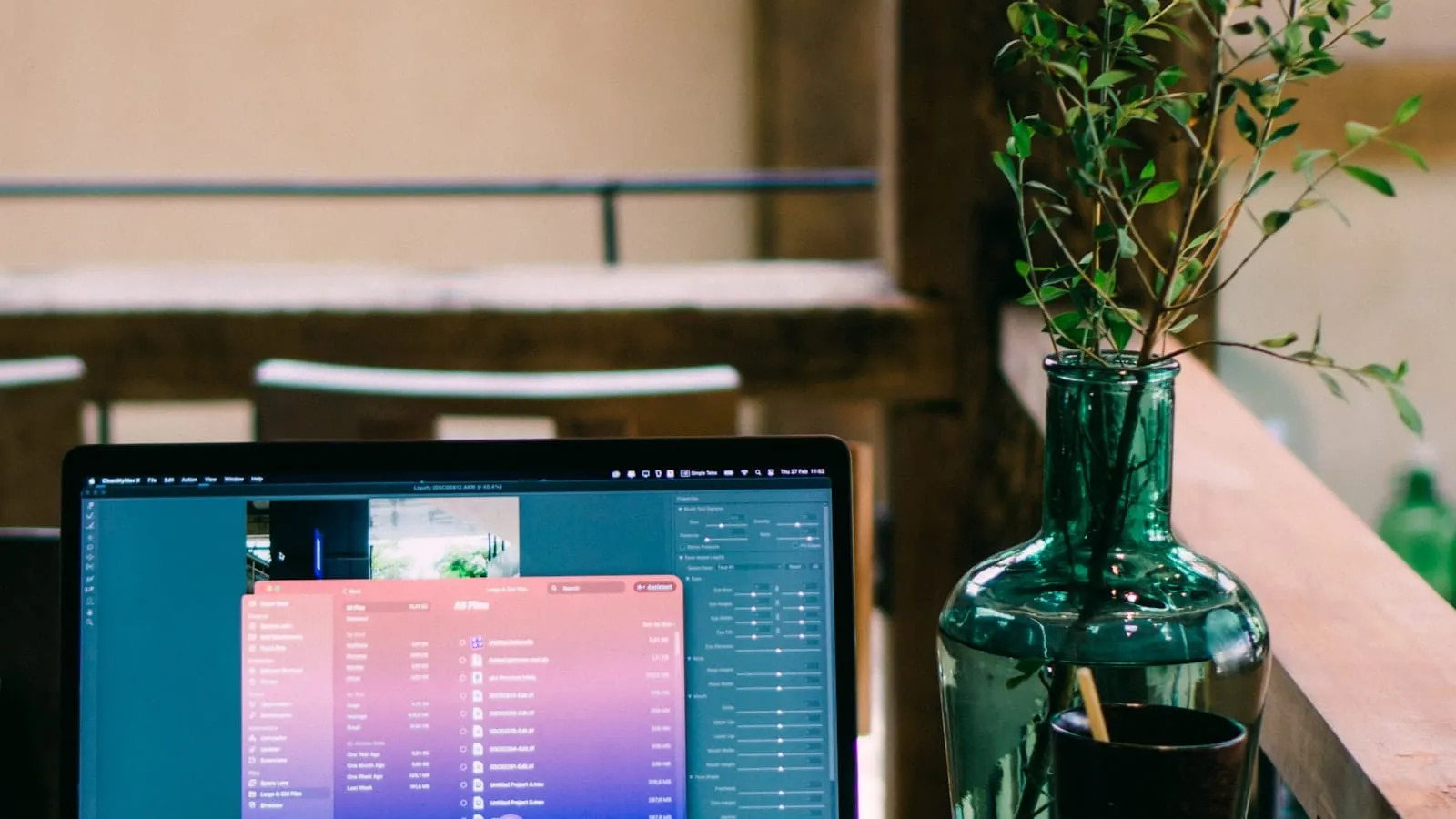
The client couldn't see that I wasn't wearing pants.
Dress shirt, top button done, hair more or less in order. From the chest up, I looked like I was in an office. From the chest down, I was in boxers and bare feet on cool Mexican tile, a ceiling fan turning slowly above me in a San Miguel de Allende apartment where the rent was less than my old car payment.
The call lasted forty-five minutes. I invoiced two hundred dollars for it. At my old job, this same conversation would've been a "cross-functional alignment meeting" buried in a sprint retrospective, and I would've been paid exactly nothing extra for the privilege of attending it.
I closed the laptop, walked to the kitchen, made a coffee, and stared at the invoice for a while. Not because of the amount. Because it was mine.
The First Dollar
The first real money I made on my own wasn't two hundred dollars. It was forty-seven.
A consulting template I'd built on a Sunday afternoon — a framework for the exact kind of strategic planning I used to do for a six-figure salary. I put it behind a payment link, shared it in two forums, and forgot about it. Three days later, someone in Minneapolis bought it.
Forty-seven dollars. I have never been more proud of forty-seven dollars in my life.
Here's why: nobody told me to make it. Nobody approved it. Nobody scheduled a review meeting about it. Nobody took a cut, marked it against a quota, or congratulated me in a Slack channel with a party emoji before moving on to the next sprint. I saw a problem, built a solution, charged money for it, and someone said yes.
That's a different kind of earning. It's smaller. It's scarier. And it means more than any bonus I ever got from a company that would've replaced me in two weeks.
The Instagram Lie
Let me puncture something before it inflates: the laptop-on-the-beach fantasy is garbage.
I have never once worked productively on a beach. Sand gets in the keyboard. The glare makes the screen unreadable. You look like an idiot, and the Wi-Fi doesn't reach the palapa anyway.
The reality of working for yourself — at least in the beginning — is this: you work more hours than you did at the office. You work at odd hours because your clients are in different time zones. You work weekends because the line between "work" and "not work" evaporates when you're the entire company.
There was a day — maybe week three — when I sat at my desk in San Miguel and stared at a blank Notion page for four hours. No clients that week. No revenue. No plan. I ate an entire bag of gummy bears and questioned every decision that led me to that chair.
I quit a six-figure job to stare at a to-do list in Mexico. The thought arrived fully formed and sat there like a brick.
Imposter syndrome isn't a phase. It's a roommate. But it pays less rent over time.
The Tools and the Mindset
The tools don't matter as much as people think. Notion for organizing. Stripe for getting paid. A simple website. An email list. A calendar with exactly as many meetings as I want, which is almost none.
What matters is the shift. At a job, you think in inputs: How many hours did I put in? How busy did I look? What did my manager think of the deliverable? On your own, you think in outputs: Did I solve a problem? Did someone pay me for it? Can I do it again?
That shift took months. Employee brain is persistent. It whispers things like you should be online in case someone needs you and you haven't checked email in forty-five minutes, something might be on fire. Owner brain is quieter but more useful: ship the thing, send the invoice, go live your life.
By month four, the revenue covered our San Miguel expenses — that two thousand dollars a month for a family of three. Not a fortune. But proof of concept. Proof that skills I'd been renting to a corporation for a decade were worth something on the open market.
The 10 AM Rule
Here's the rule I made for myself, and I swear by it: by 10 AM, the business is done.
Client work, emails, invoicing, shipping — all of it, crammed into a focused morning window. No meetings about meetings. No "circling back." No performance theater where you sit at a desk looking thoughtful so someone with a corner office feels justified in their headcount.
After 10 AM, the day is mine. Walk to the Jardín. Buy tomatoes at the market. Read a book on the rooftop while the Parroquia turns gold in the afternoon light. Pick up the kid from school and get ice cream that costs a dollar.
I used to work eight-to-seven — really eight-to-seven, not the "nine-to-five" everyone pretends — and half of it was performative. Emails no one read. Standups that stood too long. The concentrated, actual work? Maybe three hours a day, if I'm being generous.
Now I do those three hours. And then I stop.
The Honest Math
I make less than I used to. Let me just say that out loud, because the internet is full of people pretending otherwise.
But here's the equation that changed: it's not income minus expenses. It's hours of your life spent doing things you chose, divided by hours spent doing things you didn't.
By that math, I am richer than I have ever been.
The dress shirt is gone now. Most clients are audio-only or async — they don't care what I'm wearing, and I've stopped pretending anyone should. I work from a café in a t-shirt, or from the rooftop in whatever I slept in, or from the courtyard in the late morning light with a coffee that cost thirty pesos and a view of a town that has been quietly teaching people how to live for five hundred years.
The boxers are optional. The freedom isn't.
If this resonated, The Dispatch goes deeper every week. More numbers, more stories, no spam.