Mexico's New Expat Reality: What Changed in 2026
Mexico doubled expat visa requirements in 2026. From San Miguel de Allende, what the new rules mean for American retirees and digital nomads planning to move south.
The WhatsApp messages started flooding in around 3 PM on a Tuesday in March. "Did you see the news?" "Are you okay down there?" "Should we cancel our retirement plans?"
Mexico had just announced the most sweeping changes to expat visa requirements in thirty years. By the time I finished reading the 47-page document — in Spanish, naturally — I understood why my inbox was melting down.
The Mexico that welcomed us with open arms in 2022 is gone. The new Mexico wants proof you can pay your way.
The Numbers That Matter
The temporary resident visa — the golden ticket for most American expats — now requires demonstrating $4,300 in monthly income or $86,000 in bank statements. That's up from $2,700 and $43,000.
The permanent resident visa jumped to $5,400 monthly or $108,000 in the bank. Previously: $3,400 and $68,000.
Those aren't typos. Mexico effectively doubled the financial requirements overnight.
For context: the median household income in Guanajuato, our state, is roughly $800 per month. Mexico is asking foreign residents to prove they earn five times what most locals make.
Why It Happened
Gentrification became Mexico's dirty word in 2025.
Roma Norte in Mexico City saw average rents triple between 2020 and 2024. Puerto Vallarta priced out three generations of fishing families. Even here in San Miguel, our landlord mentioned that the house across the street — identical to ours — now rents for 40% more than we pay.
The culprit wasn't just American retirees. It was the work-from-anywhere crowd earning Silicon Valley salaries while paying Oaxaca rents. A software engineer making $120,000 annually can afford the $2,500 apartment that forces a local teacher into their parents' spare room.
Mexico watched this movie play out in Portugal, New Zealand, and Costa Rica. They decided to write a different ending.
What Actually Changed
Beyond the financial requirements, three shifts fundamentally altered expat life:
The Housing Restriction. Foreign residents can no longer buy property within 50 kilometers of the coast or 100 kilometers of international borders without a Mexican corporation. The fideicomiso trust system still exists, but the new bureaucracy adds six months and $15,000 to most purchases.
San Miguel sits 95 kilometers from the U.S. border. We're now in the restricted zone.
The Tax Treaty Rewrite. Mexico and the U.S. signed a new agreement that eliminates the Foreign Earned Income Exclusion for residents living in Mexico more than 330 days per year. If you're truly "resident" in Mexico, the IRS wants to know about every peso you earn.
The Integration Requirement. All temporary residents must now complete 40 hours of Spanish language instruction annually and pass a basic civics exam covering Mexican history, culture, and legal system. Skip it, and your visa renewal gets denied.
I've lived here four years and still butcher the subjunctive tense. The civics exam asks questions about Benito Juárez that I couldn't answer about Abraham Lincoln.
Who Wins, Who Loses
The new rules don't affect everyone equally.
Winners: Established expats with permanent residency. Those visas grandfather under the old rules. Corporate executives and retirees with substantial pensions barely notice the increased financial thresholds.
Losers: Digital nomads, early retirees living lean, and anyone banking on geographic arbitrage to stretch their dollars.
The couple from Portland who planned to retire here on $3,500 monthly from their 401k? They're now looking at Panama.
The 28-year-old crypto trader who thought Mérida would be his cheap home base? He's apartment hunting in Medellín.
The Math That Breaks Dreams
Here's what the new requirements mean in practice:
To qualify for temporary residency showing income, you need $51,600 annually. That puts you in the top 25% of American earners.
To qualify showing assets, you need $86,000 liquid. The median American has $8,000 in savings.
Mexico just eliminated 75% of potential American expats from consideration.
Living Through the Transition
The policy rolled out with typical Mexican efficiency — which is to say, chaos wrapped in bureaucracy.
Consulates in the U.S. stopped processing visa applications for six weeks while staff trained on new procedures. The Mexico City immigration office ran out of appointment slots through December.
Our friend Sarah, a teacher from Denver, had her temporary residency application rejected three times. Same income, same bank statements that qualified her sister two years ago. The rules changed while her paperwork was in review.
She's now in Guatemala, teaching online ESL classes and reconsidering her Mexico plans.
What San Miguel Looks Like Now
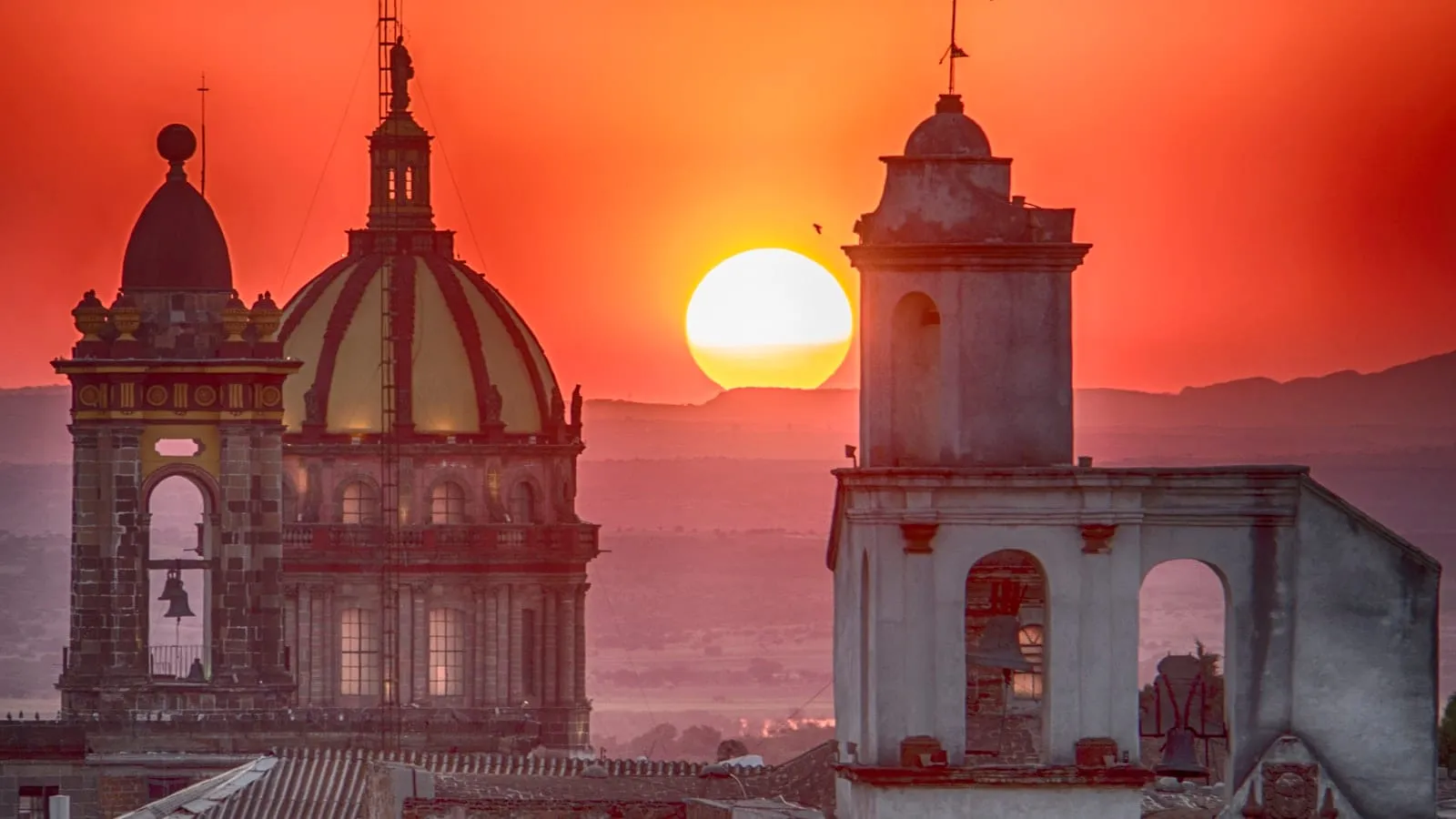
Walk down Cuna de Allende at sunset, and you'd think nothing changed. The pink church still glows. Mariachis still play in El Jardín. Restaurant terraces overflow with expats debating mezcal brands and pottery classes.
Look closer, and you notice the shifts.
The yoga instructor from Oregon who taught $10 classes in Parque Juárez? Gone. The retired postal worker from Michigan who stretched his pension at the Wednesday market? Moved back to Grand Rapids.
The expats who remain have more money. They eat out more, tip better, hire more help. The economic impact per person increased, even as total expat numbers dropped.
Local opinions split predictably. Restaurant owners love the higher-spending clientele. Landlords miss the consistent demand from budget-conscious renters. Young Mexicans appreciate that housing costs stopped their vertical climb, at least temporarily.
The Unintended Consequences
Mexico's crackdown triggered a continental game of musical chairs.
Belize saw visa applications surge 400%. Costa Rica reinstated its pensionado program after a five-year hiatus. Portugal started marketing to American retirees again.
Ironically, the policy might increase illegal immigration — from Americans. Tourist visas allow 180-day stays. Some expats now plan to do perpetual border runs rather than navigate the new residency requirements.
The Facebook groups buzz with "Belize run" logistics and "renewal tips" that sound suspiciously like immigration fraud.
Where This Leaves Us
Four years in, we're grandfathered with permanent residency. We're staying.
But I understand the anger from aspiring expats who feel Mexico moved the goalposts. They're not wrong — the country that marketed itself as an affordable paradise for American retirees just made itself accessible only to American wealth.
The new policy isn't inherently good or bad. It's a sovereign nation prioritizing its citizens over foreign convenience. Mexico decided that cheaper groceries for expats weren't worth unaffordable housing for locals.
Every expat-friendly destination faces this inflection point eventually. Mexico just reached theirs faster and more dramatically than most expected.
The View from the Rooftop
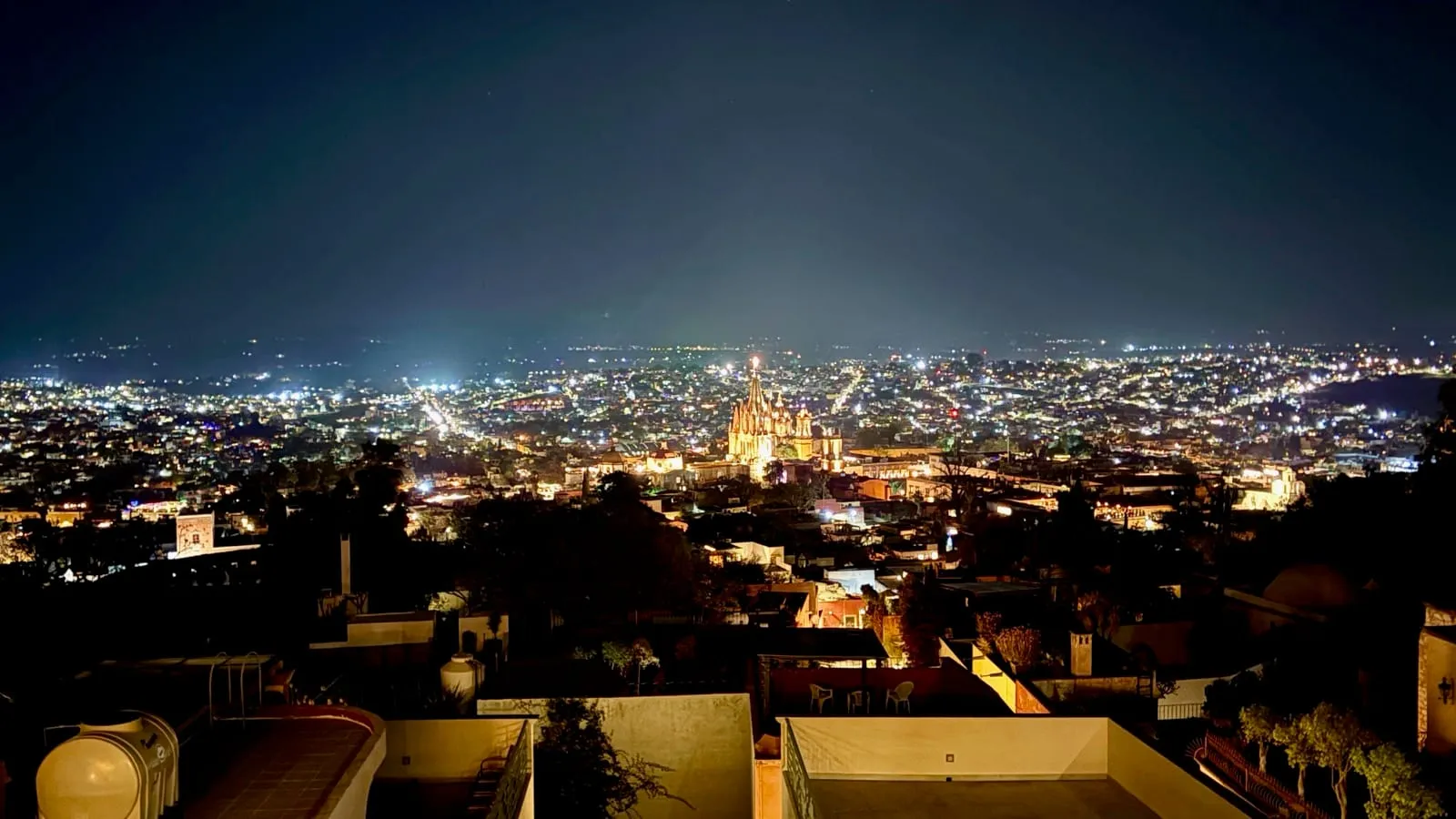
I'm writing this from our terrace as the sun sets behind the Parroquia. The bells ring six o'clock, same as they have for five centuries.
Mexico will survive without the budget-conscious expat wave of 2020-2024. The country thrived for 500 years before Americans discovered it was cheap and beautiful.
But something's been lost in the transition. The accessibility that made Mexico feel like a realistic option for middle-class Americans is gone. What remains is still wonderful — if you can afford the entry fee.
The dream of retiring early to Mexico isn't dead. It just costs twice as much as it did last year.
If this resonated, The Dispatch goes deeper every week. More numbers, more stories, no spam.
More Dispatches
First Month in San Miguel: A Field Report
The weather is impossible, the Jardín never sleeps, and I haven't driven a car in three weeks. A first-month field report from San Miguel de Allende, Mexico.

The Bureaucracy Dispatch: Visas, Banks, and the Art of Mexican Patience
Getting a temporary resident visa requires eleven documents, three government offices, and the spiritual fortitude of someone who has accepted that mañana is a philosophy.