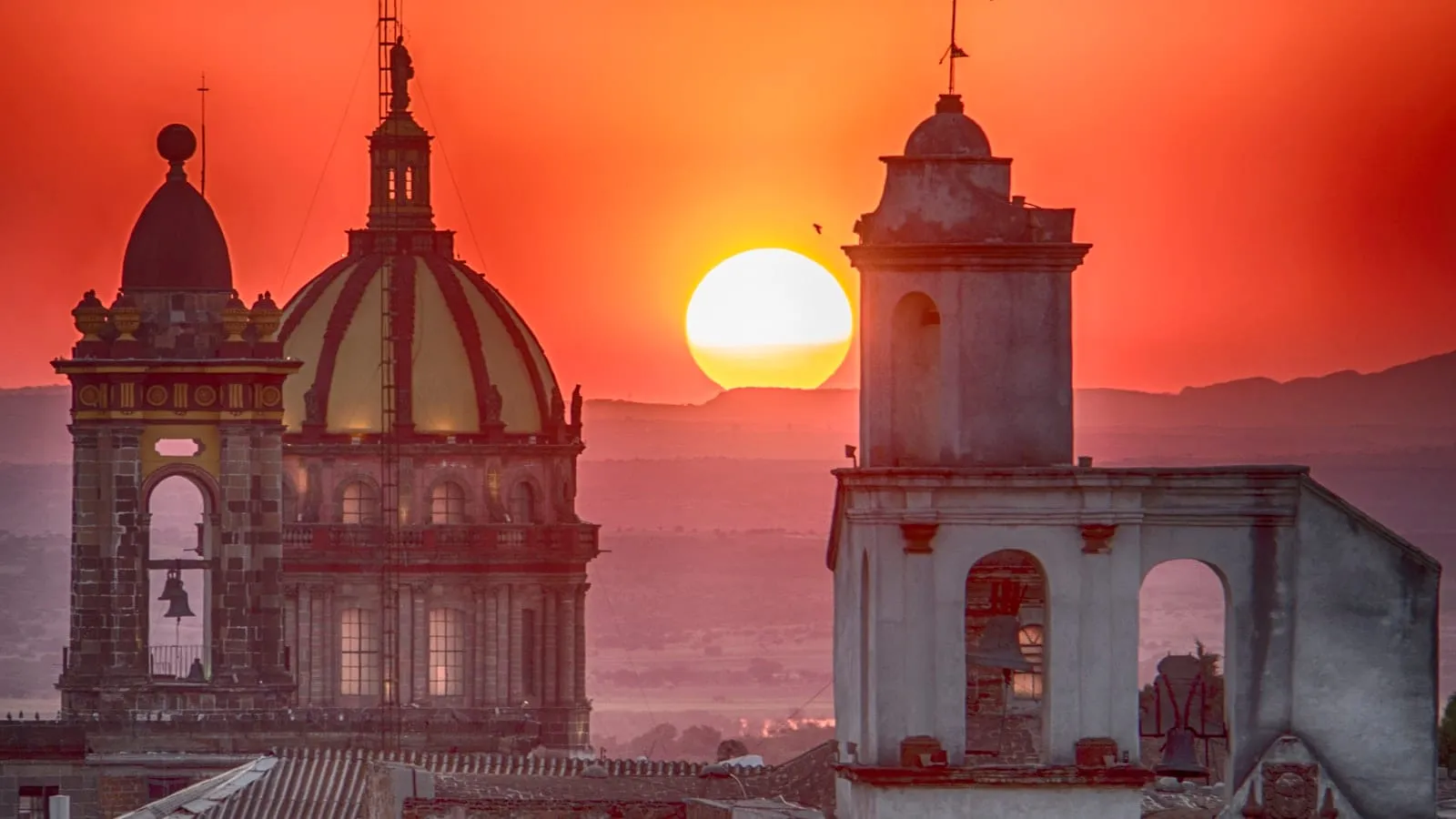
Mexico's New Expat Reality: What Changed in 2026
Mexico doubled expat visa requirements in 2026. From San Miguel de Allende, what the new rules mean for American retirees and digital nomads planning to move south.
Visas, budgets, bureaucracy, and the daily reality of raising a family in Mexico. These are the field reports from San Miguel de Allende — the parts the travel blogs don't tell you.
All DispatchesThe café con leche costs thirty pesos. The apartment has a rooftop terrace with a view of a pink church that's older than the United States. My commute is the distance between the bedroom and the kitchen. I live in San Miguel de Allende, Mexico, and I'm not on vacation.
This page is everything I've written about what it actually takes to move your life to another country — not the Instagram version, but the version with visa paperwork, unfamiliar grocery stores, and the specific kind of loneliness that comes from not being able to follow a joke in a second language.
My father retired here in the late 1980s. He left the States for reasons I didn't fully understand until I was old enough to want the same thing: slower mornings, warmer winters, and a cost of living that doesn't punish you for being alive.
San Miguel de Allende is a colonial city in the state of Guanajuato, about three and a half hours northwest of Mexico City. It was founded in the 1500s. The cobblestone streets are real cobblestone — not decorative, but the kind that will destroy a pair of cheap shoes in a month. The architecture is all bougainvillea and wrought iron and thick walls that keep the inside cool when it's 85 outside.
It has one of the largest expat communities in Mexico. Depending on the season, somewhere between 10% and 20% of the population is foreign-born. There are gringo restaurants and English-language bookstores and AA meetings in English. But the city is fundamentally Mexican, and the best version of living here involves learning the language and eating at the market where nobody speaks English and the tortas cost forty pesos.
I chose it for three reasons:
Numbers matter more than adjectives. Here's what our family of three actually spends:
Total: roughly $2,100/month. In the U.S., our expenses were closer to $3,800, and the apartment was smaller.
Mexico offers a Temporary Resident visa for people who can prove income or savings above a certain threshold. As of early 2026, the income requirement is roughly $2,800 USD per month (or equivalent savings of about $47,000 in bank statements from the last 12 months). The visa lasts one year and is renewable for up to four years, after which you can apply for permanent residency.
The process:
The bureaucracy is real. It's not hostile — just slow, opaque, and occasionally contradictory. Different INM offices interpret the same rules differently. Bring printed copies of everything. Then bring more printed copies.
I've written about this process in detail. The short version: it's manageable, it takes longer than you'd expect, and a good immigration lawyer is worth every peso.
The travel blogs tell you about the Jardín at sunset and the rooftop bars with fairy lights. They don't tell you about the water truck schedule, the gas delivery system where a man with a truck drives through the neighborhood honking, or the fact that the mail system is essentially decorative — anything important gets shipped to a P.O. box service in Laredo, Texas.
They don't tell you that your kid will be the only gringo in the classroom for the first month, and that this is both terrifying and exactly what you wanted for them. They don't mention that you'll miss random things — not the big stuff, but the specific stuff: a particular brand of hot sauce, the sound of English spoken fast in a crowd, the way an American grocery store is organized in a pattern you understand without thinking.
And they definitely don't tell you about the first night you sit on your rooftop with the Parroquia lit up pink against the dark sky, mariachi floating up from the Jardín, a mezcal in your hand, and you realize you're not on vacation. You live here. The feeling is less euphoria and more vertigo.
That vertigo goes away. What replaces it is better.
If you've ever opened Google Maps at 11 PM and zoomed in on a town you've never been to, wondering what rent costs there — you're the right reader. You don't have to be retired. You don't have to be rich. You need a remote income (or enough savings), a tolerance for bureaucracy, and the willingness to be uncomfortable for a while in exchange for a life that fits differently.
The dispatches below are field reports. First-person, real costs, real friction. The version I wish someone had written before I moved.
Mexico doubled expat visa requirements in 2026. From San Miguel de Allende, what the new rules mean for American retirees and digital nomads planning to move south.
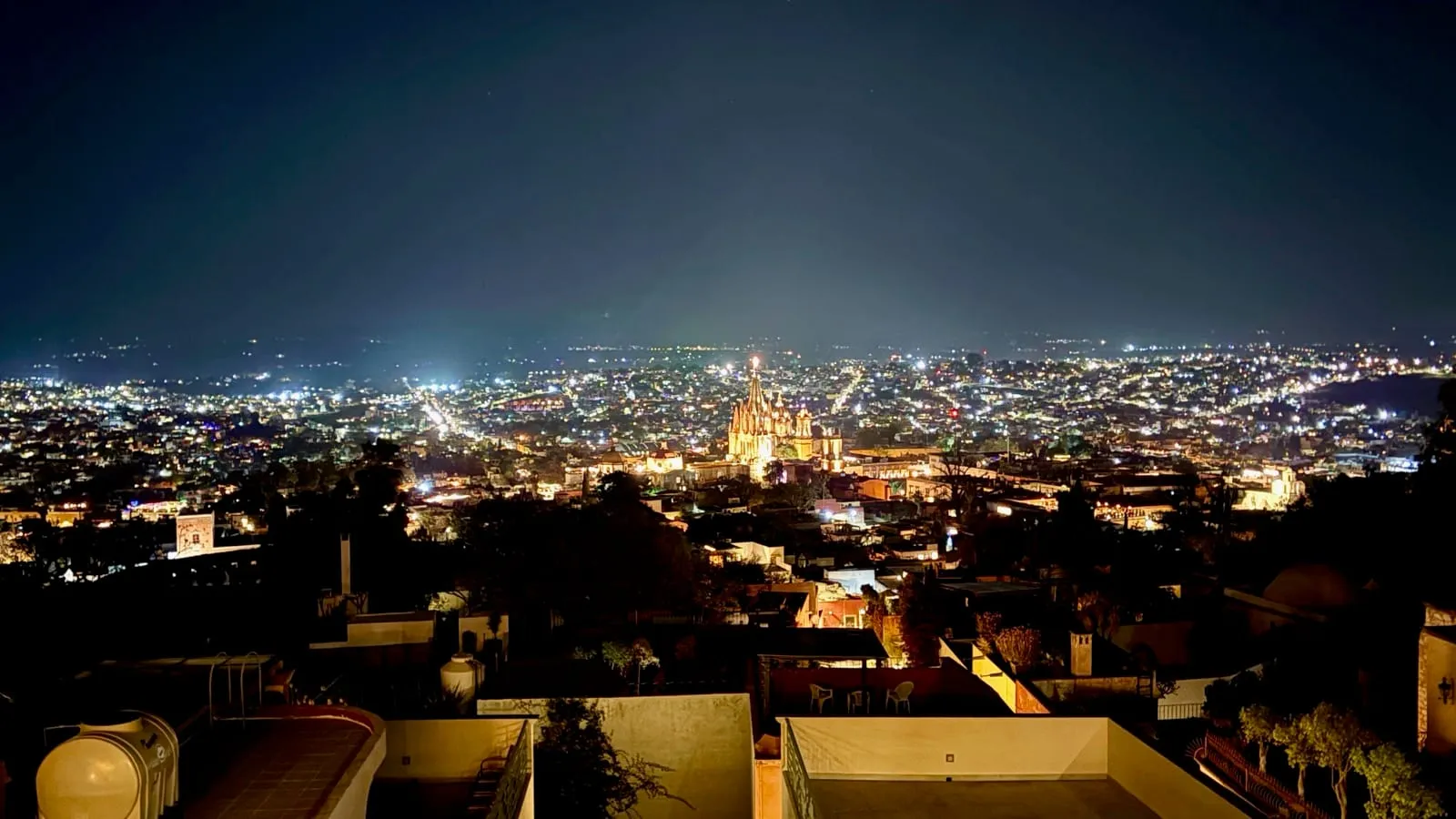
The weather is impossible, the Jardín never sleeps, and I haven't driven a car in three weeks. A first-month field report from San Miguel de Allende, Mexico.
Getting a temporary resident visa requires eleven documents, three government offices, and the spiritual fortitude of someone who has accepted that mañana is a philosophy.

Every line item, every category, every 'wait, that's how much?' moment — the full monthly budget for a family of three.